Bonoligt: A Playful Script Font for Crafters
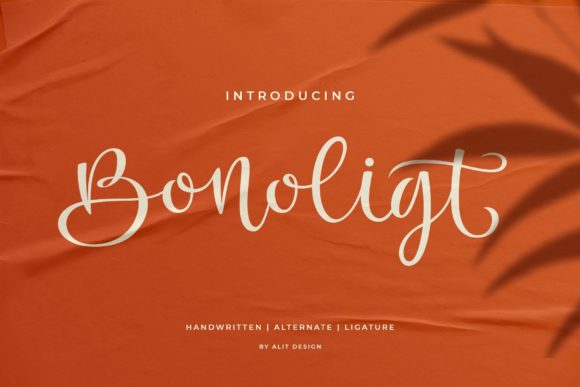
There is a distinct magic in finding the perfect typeface that transforms a simple handmade item into a cherished keepsake. As someone who spends countless hours cutting vinyl, designing printable invitations, and packaging small-batch goods, I know that typography is often the final brushstroke that defines a brand's personality. Enter Bonoligt, a script font that feels less like a digital file and more like a friend signing your name on a birthday card. This lovely script font features charming, playful characters that seem to dance along the baseline, bringing an immediate sense of joy and movement to any project.
The Charm of Bonoligt in Handmade Products
When you are creating physical products, whether it is a batch of custom candle labels or a set of rustic farmhouse signs, the visual weight of your text matters immensely. Bonoligt offers a unique blend of whimsy and legibility that is rare in the world of creative fonts. Unlike rigid display fonts that can feel cold or overly formal, Bonoligt carries a handwritten warmth that resonates with customers looking for authenticity. The way the characters interact creates a rhythm that guides the eye naturally across the design, making it an excellent choice for short phrases, product names, and decorative headings.
I have found this font particularly effective for boutique tags and greeting cards where space is limited but impact is required. The playful nature of the glyphs adds a touch of elegance without sacrificing approachability. If you are selling items on Etsy or at local craft fairs, using a premium font like Bonoligt signals to your customer that you care about the details. It elevates the perceived quality of your work, suggesting that the time and love put into the product extends even to the smallest letter on the label.
Practical Applications for Labels, Stickers, and Signs
One of the first places I reach for Bonoligt is when designing product labels. For example, imagine a soy candle labeled "Lavender Dreams" in this dancing script; the fluid lines mimic the gentle curl of smoke, enhancing the sensory experience before the customer even lights the wick. Similarly, for sticker makers using Cricut or Silhouette machines, Bonoligt holds up beautifully. Because the strokes are consistent yet expressive, they cut cleanly without losing their character, even on smaller surfaces like bottle caps or planner stickers.
For larger projects like wedding welcome boards or seasonal holiday packaging, the font scales impressively well. The ligatures and swashes included in the design allow for creative flourishes that fill empty space gracefully. You might use a swash from the letter 'B' to underline a date on an invitation or connect two words on a tote bag design. These subtle connections create a cohesive look that feels professionally designed rather than pieced together from generic assets.
Mastering Readability and Design Balance
While Bonoligt is undeniably beautiful, it is important to remember that it is a script font best suited for display purposes. In my experience, using it for long paragraphs of body text can become difficult to read, especially for customers with visual impairments or when printed on textured paper. Instead, reserve Bonoligt for titles, names, and key messages. Pair it with a clean sans serif font or a simple serif font for any descriptive text, such as ingredients lists on food packaging or event details on invitations. This contrast ensures your message remains clear while still letting the script shine.
Font pairing is a critical skill for maintaining brand identity. When I design social media graphics or web banners for my shop, I often pair Bonoligt with a geometric sans serif. The modern, straight lines of the sans serif ground the playful curves of the script, creating a balanced composition that looks modern and trustworthy. This combination works wonders for logo design as well, where you want the business name to pop with personality while keeping the tagline easy to digest.
Unlocking Hidden Features with PUA Encoding
A standout feature of Bonoligt is its PUA (Private Use Area) encoding. For those of us who love customization, this means we can access all of the amazing glyphs and ligatures directly within our design software without needing complex OpenType managers. Whether you are working in Adobe Illustrator, Canva, or Silhouette Studio, you can easily swap standard letters for alternate styles, adding unique swashes or connecting ligatures to create one-of-a-kind wordmarks. This flexibility allows you to tweak your designs until they perfectly match the mood of your specific product line, ensuring no two batches look exactly the same unless you intend them to.
Licensing and Commercial Use for Sellers
As small business owners, understanding font licensing is non-negotiable. Bonoligt is designed to be a commercial font, meaning you can confidently use it in your profit-generating projects. Whether you are selling physical goods like mugs and shirts, digital downloads like SVG files, or client work like wedding stationery, having the right license protects your business. Always verify the specific terms of the license you purchase to ensure you are covered for the volume of items you plan to produce. Using a properly licensed typeface not only keeps you compliant but also supports the independent designers who create these essential design assets.
Incorporating Bonoligt into your workflow can breathe new life into your brand identity. Its ability to convey emotion through motion makes it a versatile tool for everything from nursery wall art to high-end boutique branding. By choosing a font that aligns with your aesthetic and functional needs, you ensure that every piece you create tells a story. So, the next time you sit down to design your latest collection, consider letting the characters of Bonoligt dance across your canvas and watch how they transform your creations into something truly special.